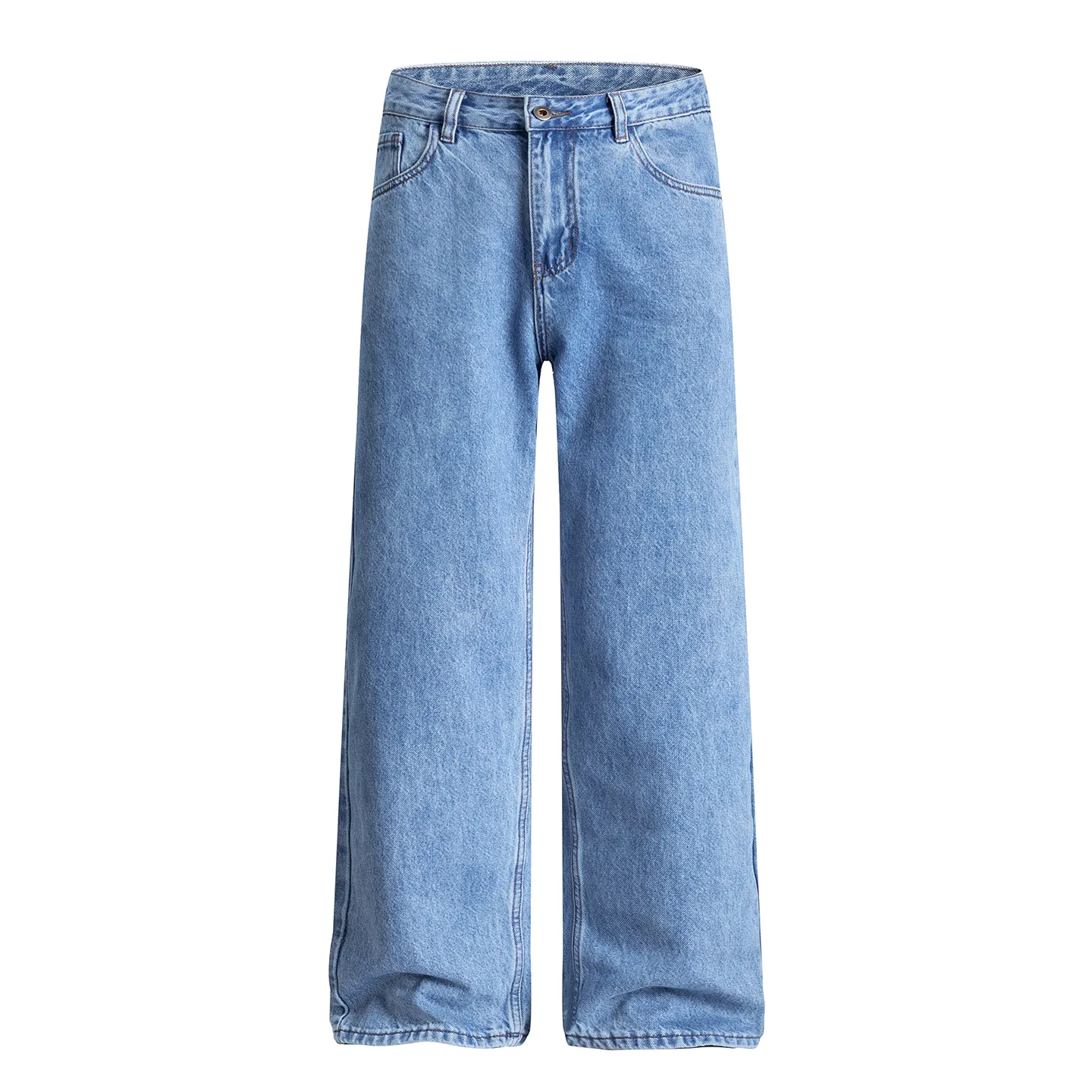
You scroll past a killer pair of jeans and think, “Man, I wish I had my own brand.” Then reality hits — turning that idea into actual products feels like navigating a maze of design, manufacturing, and sales.
In 2026, the jeans market is still booming. Whether it’s sustainable fabrics, vintage-inspired fits, or functional streetwear styles, there’s real opportunity out there. But most new brands don’t fail because of a weak idea — they fail because of messy supply chains, hidden costs, and delivery headaches.
This guide is your complete MVP roadmap. I’ve distilled years of helping entrepreneurs launch their own jeans brands into clear, actionable steps. You’ll get real cost breakdowns, MOQ insights, a practical timeline, and a solid pitfall checklist. By the end, you’ll save yourself 6–12 months of trial and error and turn your idea into a profitable product.
The single most important thing? Finding a reliable manufacturing partner. It lets you spend 80% of your time on selling and building your brand — instead of constantly revising samples, chasing orders, or worrying about quality.
Chapter 1: Define Your Brand Positioning
Ninety percent of new jeans brands fail because their positioning is vague. Don’t rush into sketches yet. Take time to answer these three core questions — it will dramatically reduce later revisions and dead inventory:
-
Who exactly is your target customer?
Busy 25–35-year-old urban professionals who want comfort without sacrificing style? Gen Z kids who love oversized streetwear? Plus-size women tired of struggling to find jeans that actually fit? Or eco-conscious shoppers willing to pay more for sustainable options? -
What specific pain point are you solving?
Jeans that dig in after a few hours? Fabrics that feel stuffy in summer? Colors that fade or shapes that warp after a few washes? Overpriced products that don’t deliver on quality? Nail the pain point and people will happily open their wallets. -
What’s your unique selling point?
Organic cotton or recycled fabrics for sustainability? Signature vintage wash techniques for premium feel? Smart functional pockets for everyday wear? Or lightning-fast restocks thanks to quick-response production?
Competitor Analysis (3-step checklist — takes just one week):
- List 10 competing brands (Amazon bestsellers, indie stores, hot Taobao items)
- Break them down: price range, fit, fabric, marketing language, and customer review complaints
- Map out your own positioning
Quick Tip: In 2026, styles that combine “sustainable + vintage fits” or “functional streetwear” are still seeing strong search growth. The clearer your positioning, the less likely you’ll need to redesign or sit on unsold stock later.
Chapter 2: Product Design & Development
No designer on your team? No problem. Here are three practical ways to move forward fast:
- Use AI tools to generate initial concepts
- Hire a specialized jeans designer (on Fiverr or local platforms)
- Partner directly with a factory’s design team — experienced jeans manufacturers already have strong in-house R&D.
Core Jeans Elements at a Glance:
- Fabric: 12–16 oz heavyweight denim (durable and shape-retaining), with stretch for comfort, or eco-friendly organic cotton/recycled fibers
- Fit: Straight, relaxed, tapered, stacked — fine-tune based on your audience
- Finishes: Enzyme washes, laser distressing, embroidery, rivets, patches — these make the difference between basic and premium
Sampling Process: Submit your brief → paper pattern / 3D mockup → physical sample → wear test & feedback → final approval. A good factory can compress the whole cycle into 2–4 weeks.
Working with an experienced jeans manufacturer lets you turn vague ideas into real, wearable products quickly — saving you time and repeated sampling costs.
Chapter 3: Supply Chain & Production
Choosing the right production location directly affects your testing costs, lead times, and ability to scale later. Here’s a clear 2026 comparison for private-label / custom jeans production:
| Production Base | Key Advantages | Best For |
|---|---|---|
| China (Xintang) | Complete supply chain, strong quick-response capability, great value | Brands that want fast testing + later scaling |
| Southeast Asia | Slightly lower unit cost | Mature brands doing large-volume, low-price runs |
| USA / Mexico | “Made in USA/Mexico” label + faster nearshore shipping | Premium brands willing to pay more for positioning |
Why do so many new brands ultimately choose China — especially Xintang?
Xintang is widely recognized as the world’s “Jeans Capital.” Everything you need — fabric mills, trims, and washing facilities — is right there in one ecosystem. Professional factories can handle small test runs and then seamlessly switch to larger production. That “quick response + flexibility” is exactly what new brands need most.
Chapter 4: Cost Breakdown & Pricing Strategy
Real cost breakdown (mid-to-high-end men’s straight-leg jeans, 2026 reference prices):
- Fabric + trims: $4–8
- Manufacturing + washing: $3–6
- Packaging + labels: $0.5–1
- Shipping + duties (export): $1–2
- Total landed cost per piece: $9–18 (higher for small batches, lower for bulk)
Suggested Margin Ranges:
- Fast fashion / white label: Retail $29–49 (40–50% gross margin)
- Mid-to-high-end private label: Retail $59–99 (55–65% gross margin)
- Premium sustainable: Retail $129+ (even higher margins)
Pricing Formula: Cost × 3–4× (to cover marketing, returns, platform fees, and still leave healthy profit).
Quick Tip: Don’t chase the absolute lowest unit price. Calculate your total delivered cost — reliable quality and on-time delivery will save you far more money in the long run.
Chapter 5: Brand Building & Private Labeling
- White Label: Factory’s existing styles with your tag — fastest route
- Semi-Custom: Modify fit or fabric in small batches
- Full Custom: Develop exclusive styles from scratch
Essential First Steps:
- Register your trademark (in your home market and target countries)
- Design packaging (hang tags, boxes, story cards)
- Craft your brand story
Early sales channels depend on your positioning. Most new brands start with: Amazon FBA testing + Shopify independent store + TikTok content.
Private-label services let you skip building your own factory entirely and start selling under your own brand right away — perfect for quick market validation.
Chapter 6: Launching Your MVP & First Production Run
Recommended Starter Plan:
- First run: 200 pieces (2–3 core SKUs)
- Budget estimate: $3,000–$8,000 (covers sampling, first order, and initial marketing)
Timeline:
- Weeks 1–4: Positioning + design + sampling
- Weeks 5–12: Finalize bulk order + production + packaging
- Months 3–6: Launch, test sales, review data, and reorder
Market Testing Ideas: Pre-sales, Xiaohongshu / Instagram seeding, TikTok short videos.
Chapter 7: Common Pitfalls Checklist
- Inconsistent quality
- Missed delivery dates
- Excess inventory
- Intellectual property issues
- Unexpected cost overruns
These are the problems you need to watch every single day.
Chapter 8: Fast Iteration & Scaling (From 1 to 10)
Trends move quickly — quick-response production is your secret weapon. Partner with a factory that supports small-batch reorders and you can launch fresh styles every week based on real sales data instead of sitting on six months of stock.
A strong long-term manufacturing partner gives you: shared data → smarter style selection → continuously optimized costs → smooth brand scaling.
Final Thoughts
Building a jeans brand isn’t hard because of the idea — it’s hard because you have to turn that idea into a consistently high-quality, competitively priced product that actually reaches customers. Follow this guide step by step and you’ll already be ahead of 90% of new entrepreneurs.
Get started today — your first batch of jeans is waiting. If you already have a rough idea (sketches, reference styles, or just a vague direction), reach out to a professional jeans manufacturer early. Get a cost quote and sampling plan so you can validate the market with minimal upfront investment.